
What is found
A split collar at a vent pipe
The surrounding roof
Usable shingles around the opening
What the work addresses
Renew the flashing connection and tie it into the surrounding roof.
A stain that returns after a patch deserves an explanation. Rain may be getting behind the flashing at a wall, through a split pipe collar or beneath damaged shingles farther up the slope. The useful repair closes that route and connects to roofing that can still do its job.
Ten Mile Roofing gives you a place to start with that concern. Request a free inspection of your Lancaster roof, whether the problem is a single detail or a covering that needs a larger plan. You can ask for help before knowing which service to choose.
When replacement is needed, the new shingles are only the visible result. The condition of the deck, the flashing around roof openings and the way water leaves the eaves all affect what the work needs to include.
Explore the service that fits your concern. If you’re unsure which one applies, start with the free inspection.
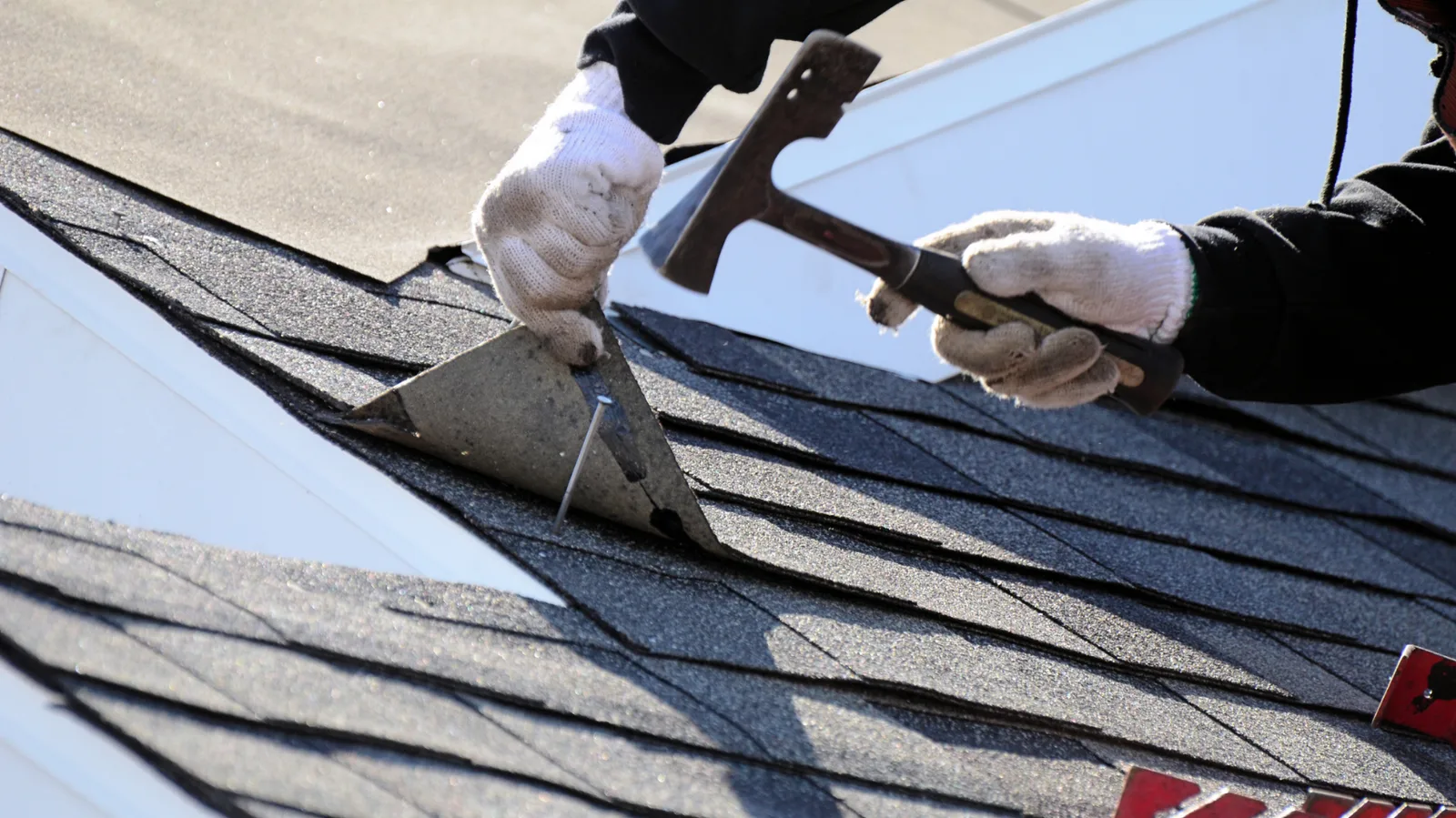
Repair the damaged shingles, flashing or roof detail that is letting water through.
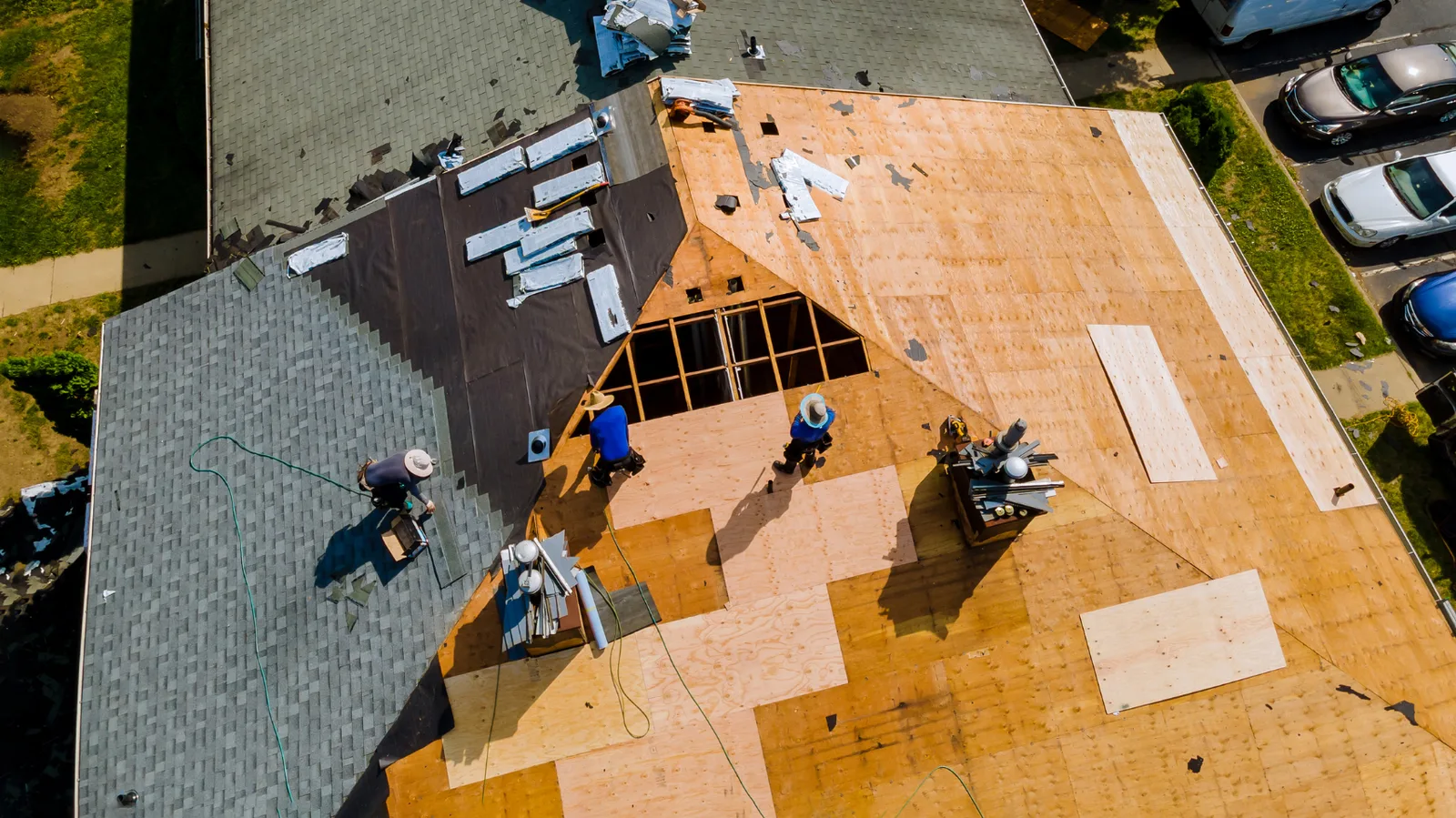
Plan removal, a sound base and the complete new covering.

Have a roofer walk the roof and explain its condition.

Assess changes after hail, wind or falling debris.
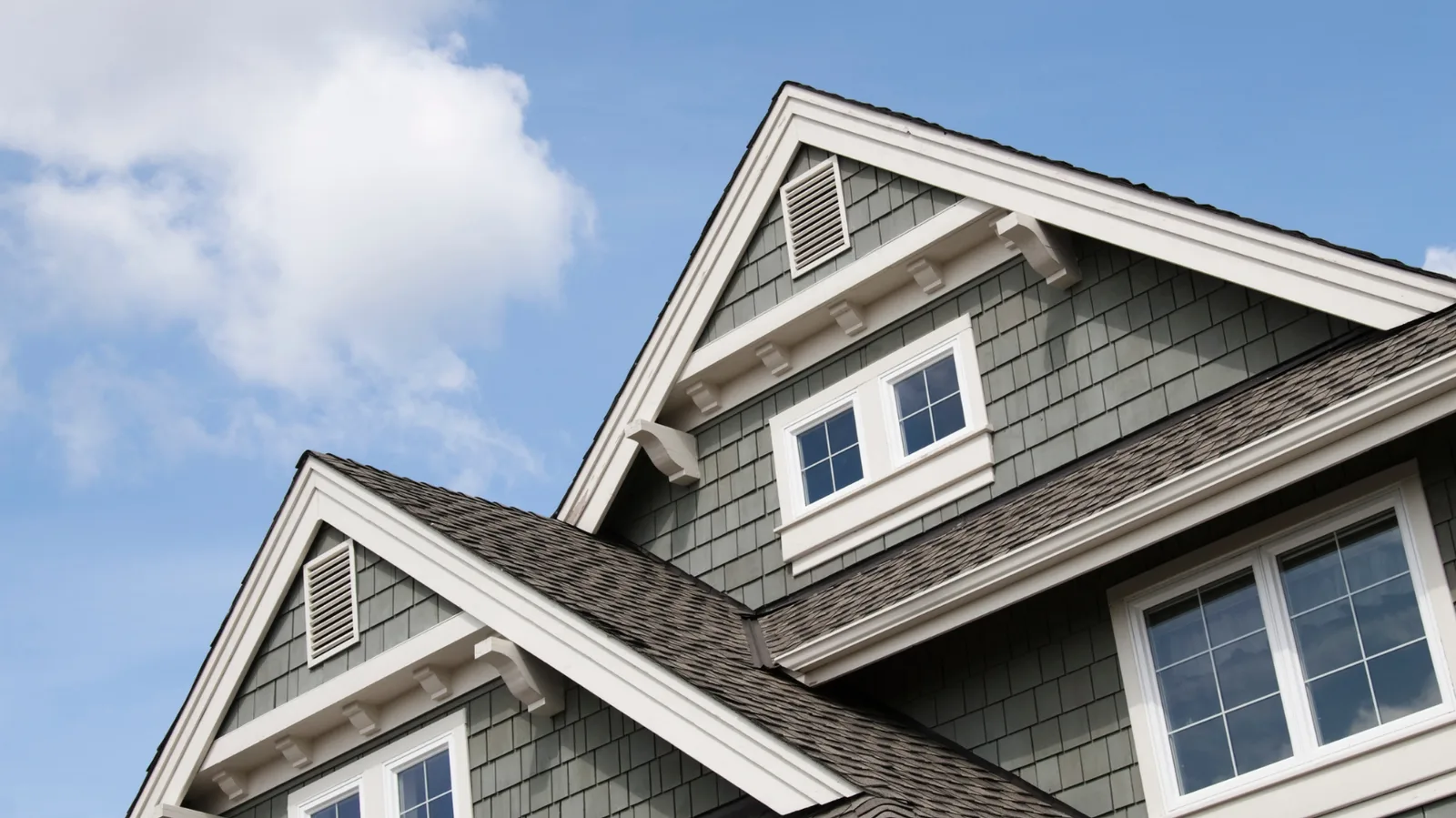
See how three-tab, architectural and designer shingles differ.

Choose a panel system that suits the roof’s shape and use.
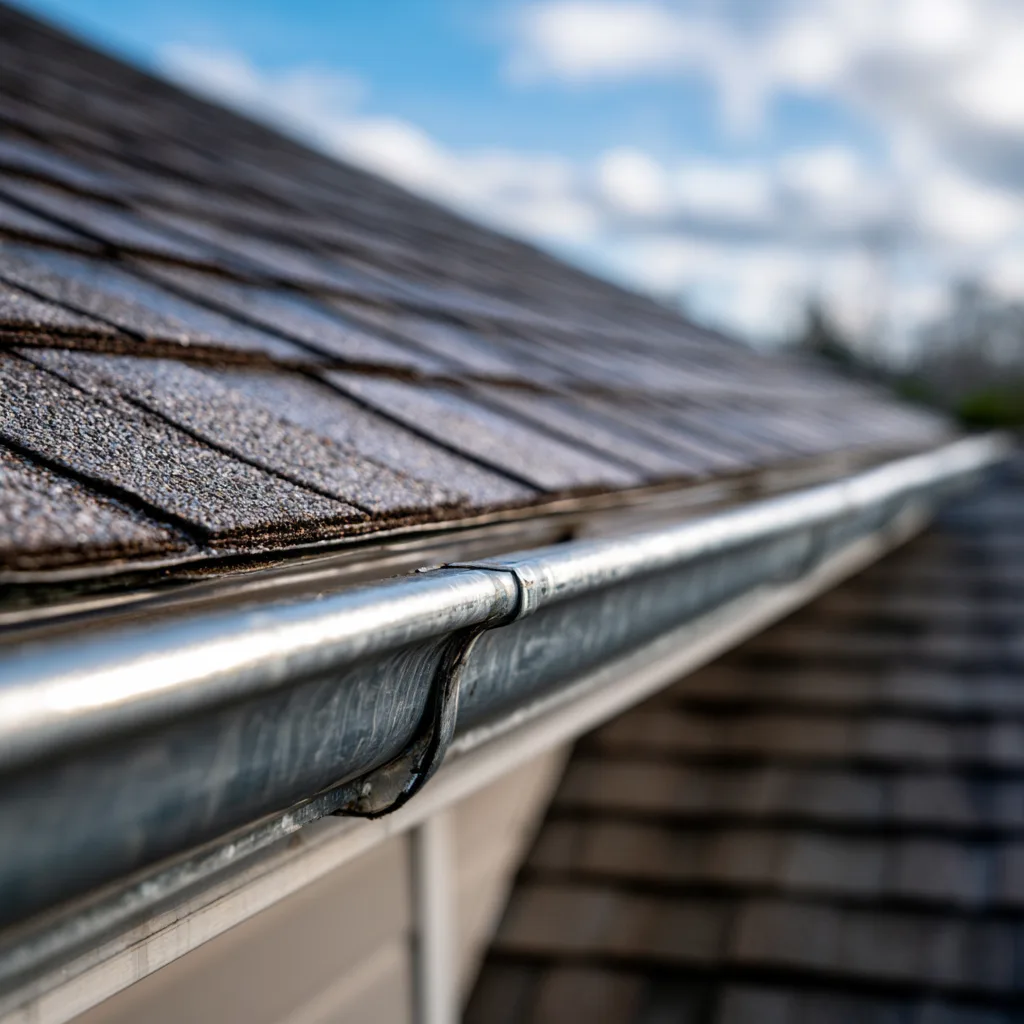
Give water a connected route from the roof edge to the ground.

Keep a business roof in the repair, restoration or replacement plan it needs.
Include the house, garage or business roof that needs attention.
The same indoor symptom can come from very different conditions overhead. The inspection needs to establish which one the proposed work will address.
Usable shingles around the opening
Renew the flashing connection and tie it into the surrounding roof.
The receiving roof cannot support another local repair
Assess the wider covering and the layers a replacement needs to renew.
Share the Lancaster address, the roofing concern and a way to contact you. An existing photo or repair history can help describe the problem, but neither is required.
The inspection is free, and a roofer walks the roof where safe access and conditions permit. The covering, flashing and visible signs of trouble help establish the next useful step.
If work is needed, its purpose and extent should be clear. The discussion can cover a focused repair, a complete replacement or further investigation when the visible roof doesn’t answer everything.
A leak above inventory or an occupied office affects more than the roof. Commercial roofing starts with the system on the building and the way the space beneath it needs to work.
A separated membrane seam needs a compatible repair. Saturated insulation calls for work beneath the surface. A coating is an option only after the existing roof is shown to be a suitable base. Those are different jobs, even when each begins with a ceiling leak.
Drains and rooftop units make the details just as important as the open roof area. The scope also needs to account for access to stockrooms, loading areas and occupied rooms while the roofing proceeds.
Explore Lancaster commercial roofing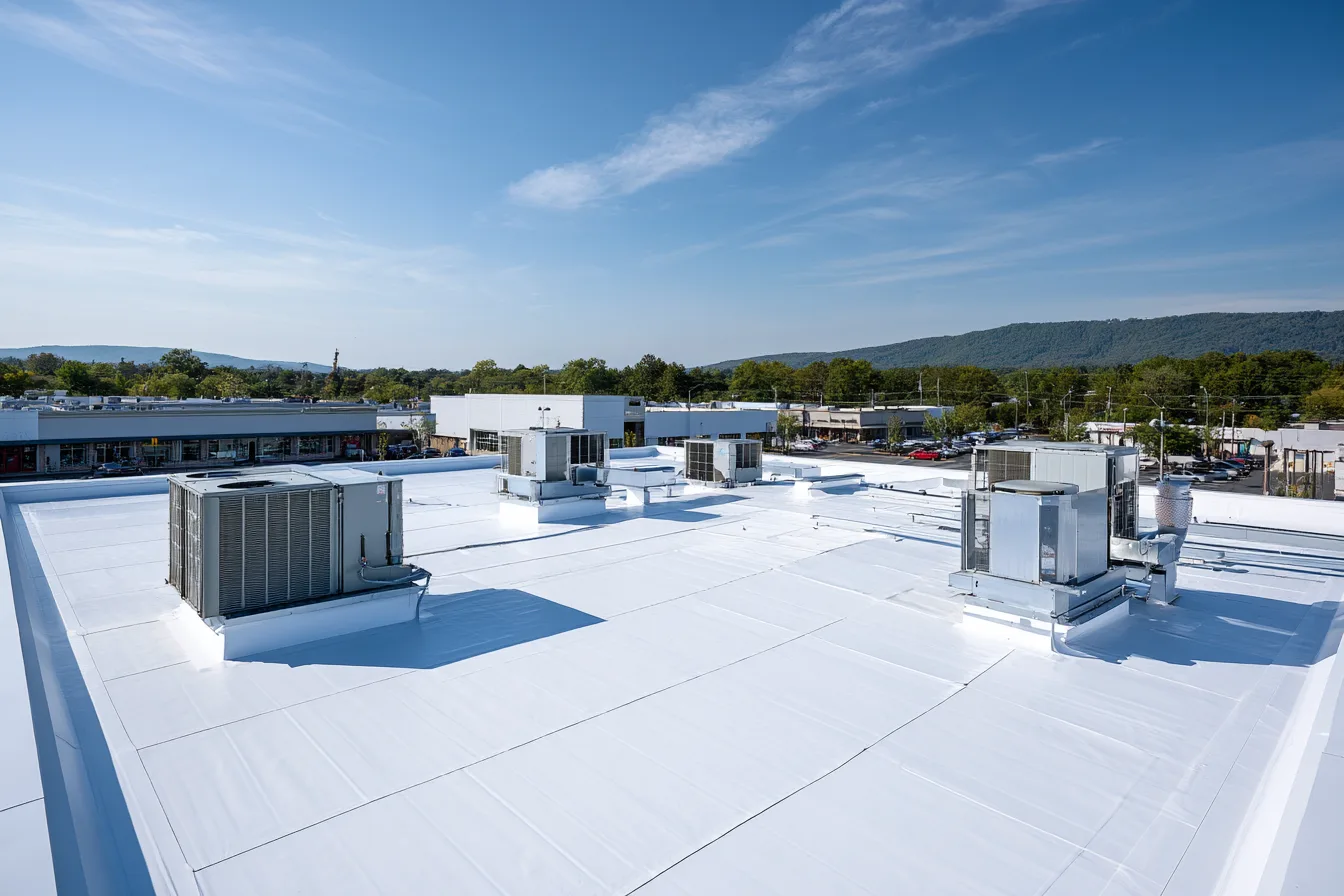
Lancaster includes historic properties, established residential streets and newer construction. The right roofing plan starts at the address, with the roof that is there today.
See Lancaster roofing service areasThe roof’s material, slope and repair history determine the work, whether the house is recent or has been here for decades.
A designated property can have additional review requirements for roof form, details and materials. Confirm the address and proposed changes early.
Occupied space, drainage and rooftop equipment can change how commercial work is planned. Include the use of the building when you get in touch.
Historic designation applies to particular properties and areas; it is not a citywide roofing restriction.
A shingle name and a total leave too much unexplained. A useful estimate identifies the roof being worked on, the assembly being installed and how concealed repairs will be handled.
For a repair, the equivalent is the failed part, the area being opened and the material the new work will connect to. The price makes more sense when you can picture the job.
The scope, made clear
Measured roof surface, existing layers to remove and disposal.
The selected covering, underlayment, flashing, edges and applicable ventilation.
How damaged decking is identified, priced and approved before it is covered.
The proposed price, payment terms and any separate material or workmanship coverage.
Yes. The inspection is free and starts with the existing roof. Its slope, condition and details help shape the choices. You don’t need to select shingles or metal before making contact.
Yes, when the damage is limited and the surrounding roofing can accept the repair. Brittle shingles, widespread deterioration or unsuitable underlying material can change that answer.
The roof repair page explains what the condition means for the work.
Yes. Requests can cover business roof repairs, TPO projects and restoration of suitable roofs. Include the building’s use and where the problem is affecting it.
No. Designation and the proposed work determine whether historic review applies. A city address alone doesn’t establish that a property is in the historic district.
See the Historic Lancaster roofing guide for that separate planning issue.
Your roof question is enough to begin. Call Ten Mile Roofing or send the Lancaster property address and what you have noticed. Start with a free inspection.
Call (972) 218-8600